

Facts about multilingualism
Speaking more than one language comes naturally to babies, whose brains are wired for all languages. Children are born with the ability to differentiate between the sounds of the world’s languages from an early age. This means that children have the ability to start learning more than one language from birth.
There is no evidence that bilingual children have delayed speech or find it harder to communicate. In fact, learning more than one language is good for general language skills. Two thirds of the world's population speak more than one language! Talking to your baby from day one gives them the tools they need to learn to speak and understand others.
Multilingualism stimulates brain development and helps children learn because they can think about their ideas in two (or more) languages. Helping your child’s home language develop first, provides the foundations for learning other languages. Being multilingual is something that should be celebrated, promoted and supported.
There are lots of benefits to being able to speak more than one language. It will enable your child to:
communicate with people in their extended family and within their community
feel secure in their cultural identity and sense of belonging
learn more as they can think about ideas in both languages
think in a flexible and creative way
use their skills later to get a financial benefit
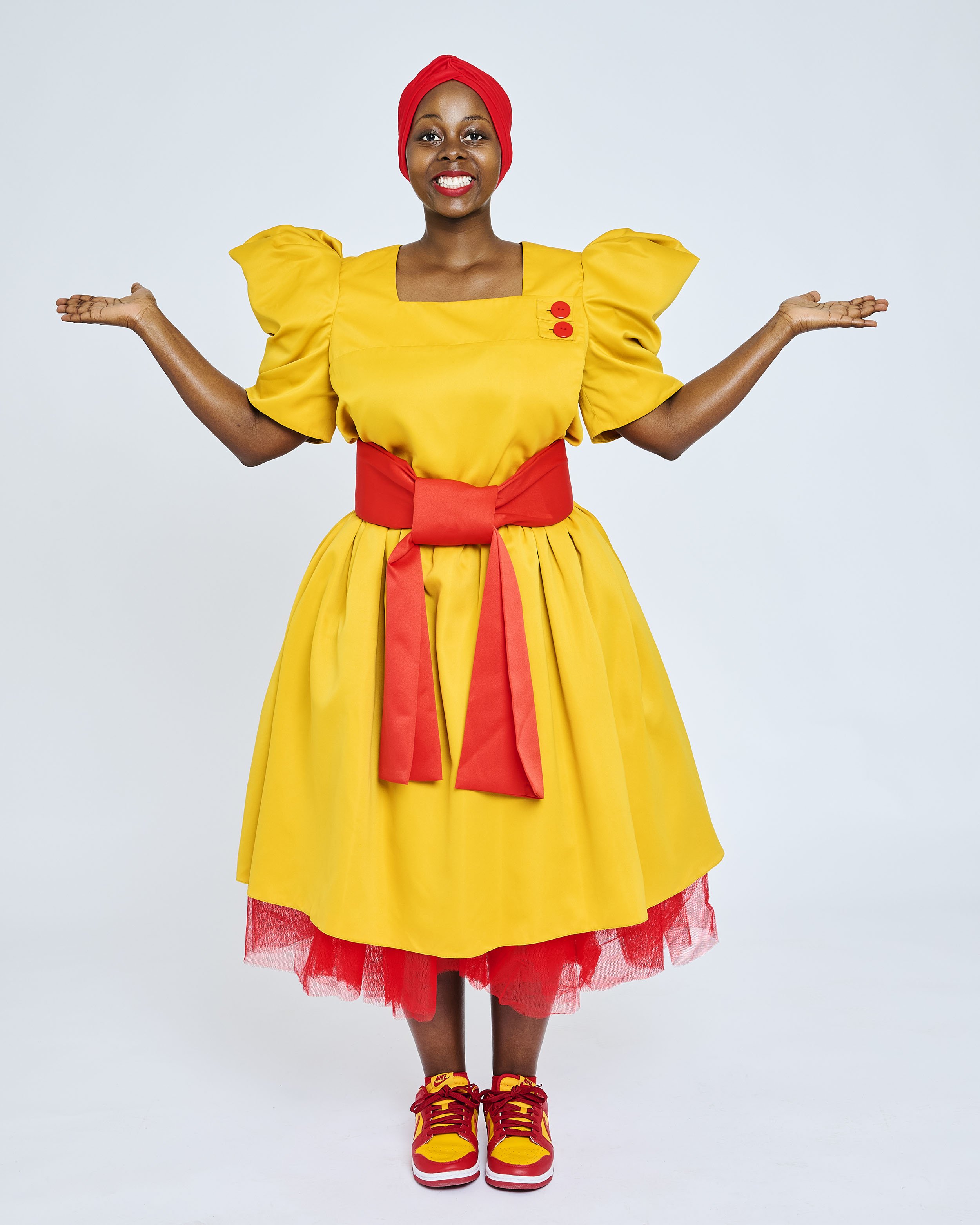
How to encourage bilingualism in the home
Praise your child when they take part or put effort in
Keep modelling language rather than correcting errors
Try to let your child have times when they can play with other children who speak your language.
Don’t be frightened to use your language in public.
Help your child to feel proud of their languages. This will help them develop a strong cultural identity.
It is ok to use more than one language if you speak more than one confidently.
Make sure your child knows the names of the languages they speak. .
Sing nursery rhymes and songs in your home language. This helps to develop children’s early language skills.
Talk about books with your child and make up stories. Your local library will be able to help you find books in different languages
Watch your child and talk about what they are doing with the toys. This will help them learn the words
A child who develops good use of their home language (sometimes also called their mother language) is more likely to develop good English. But if parents use English instead, children can lose their mother language, neither language will progress and the child may have problems in both languages. It is crucial for parents to keep their home language alive.